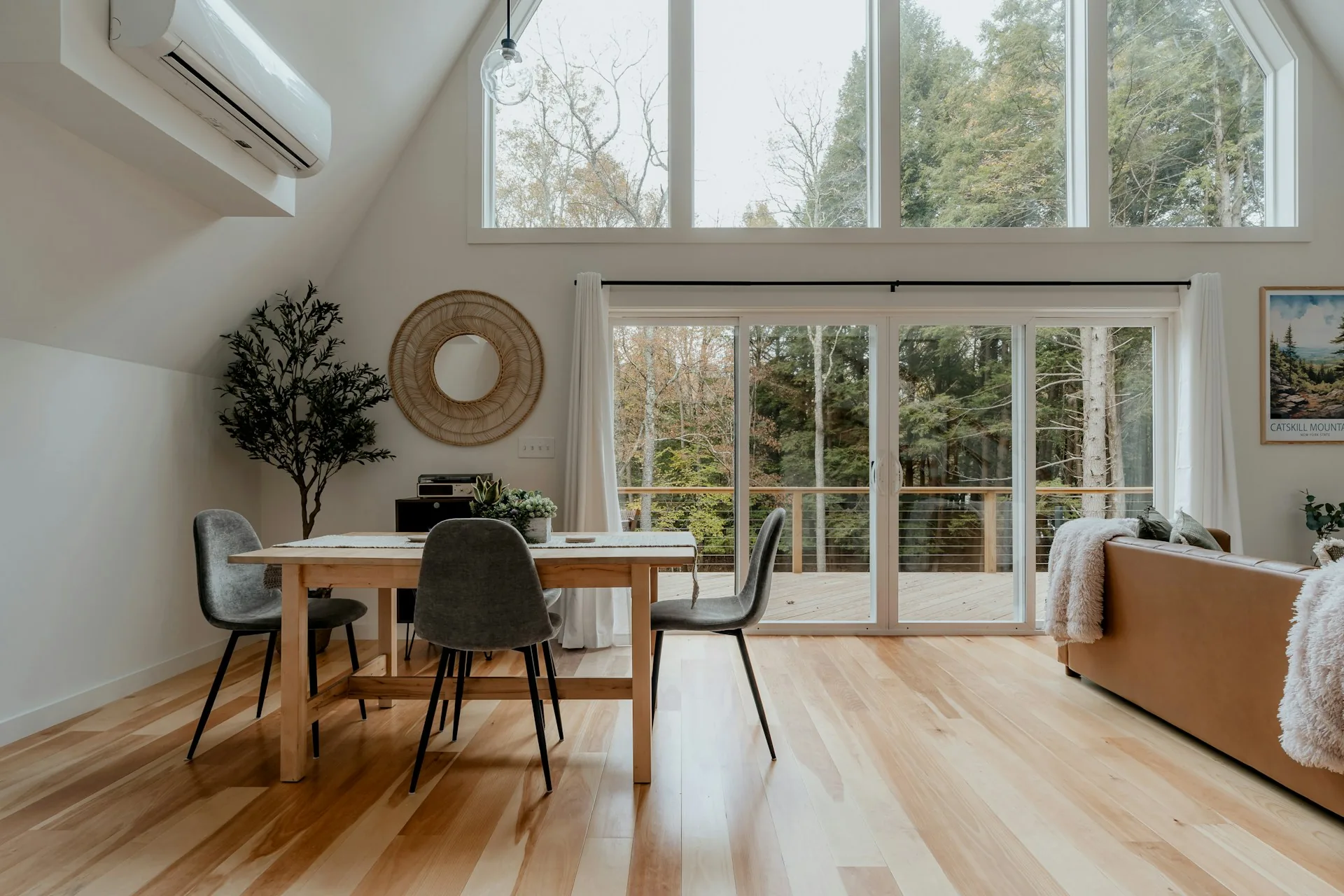

Open living and dining room with light oak flooringDesign inspiration · stock imagery
Flooring services

Find your floor. Understand the whole job.

Start with the material. Keep the room, the substrate and the finishing details in view.

Living room with a warm wood-look floor across the open space
01Wear layer · water · substrate

Luxury vinyl plank

A wood look that works with everyday life. Start with the way your rooms are used, then compare construction, texture and installation requirements. LVP is a category—not a single performance standard.

Where to start: Living areas, bedrooms, kitchens and property-turn discussions, when the selected product is rated for the space.

  • Look beyond the surface
  • Water-resistant is not moisture-proof
  • A flat substrate is part of the system
  • Care for the finish
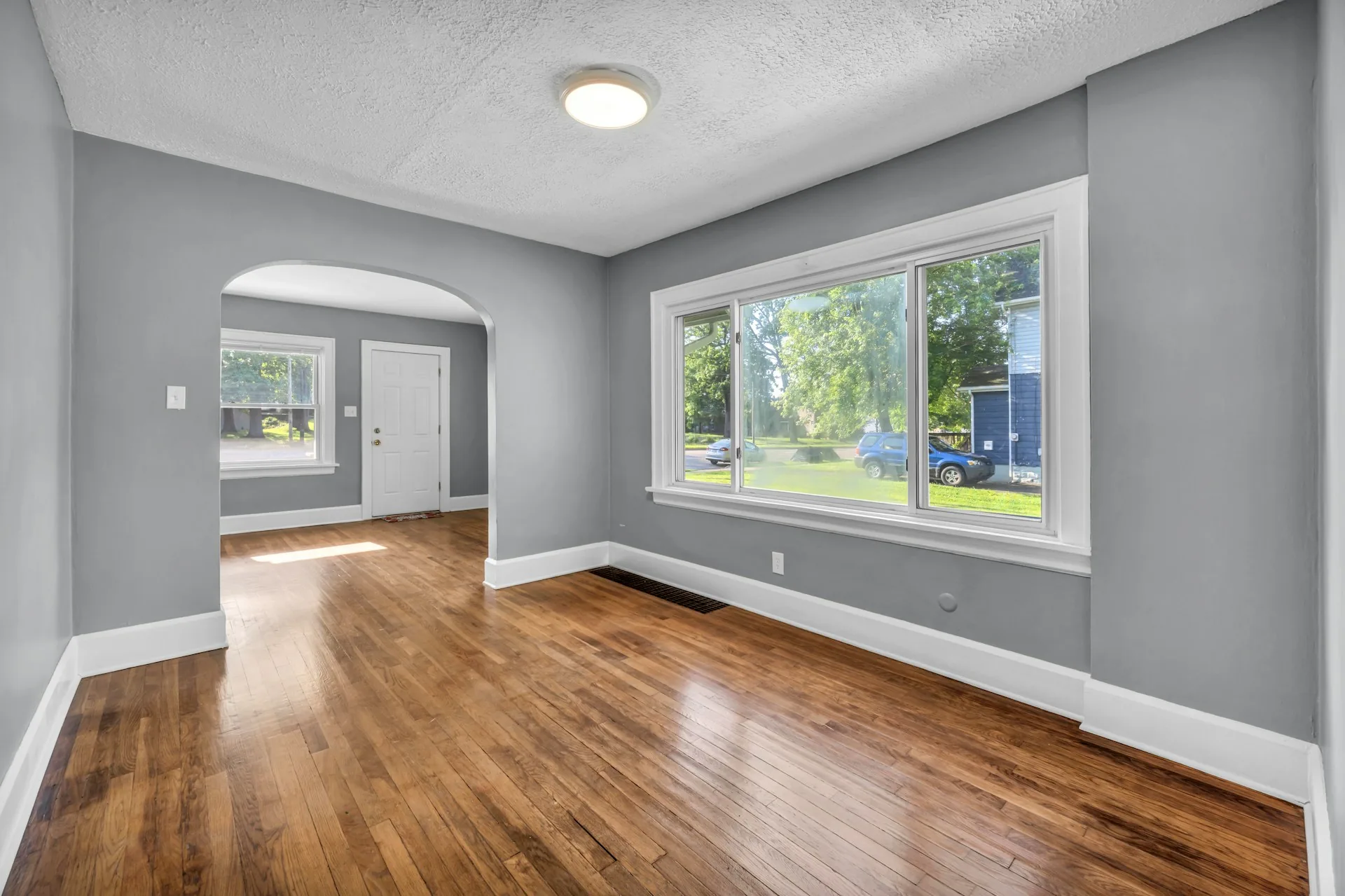
Empty room with a warm hardwood floor and white baseboards
02Construction · humidity · finish

Hardwood

Natural warmth. Individual character. Wood changes from board to board and responds to its environment. A good choice considers both the look you want and the conditions in your home.

Where to start: Dry living spaces and bedrooms where interior humidity can be maintained within the product’s requirements.

  • Solid or engineered?
  • Understand humidity first
  • Plan the complete look
  • Care and future refinishing
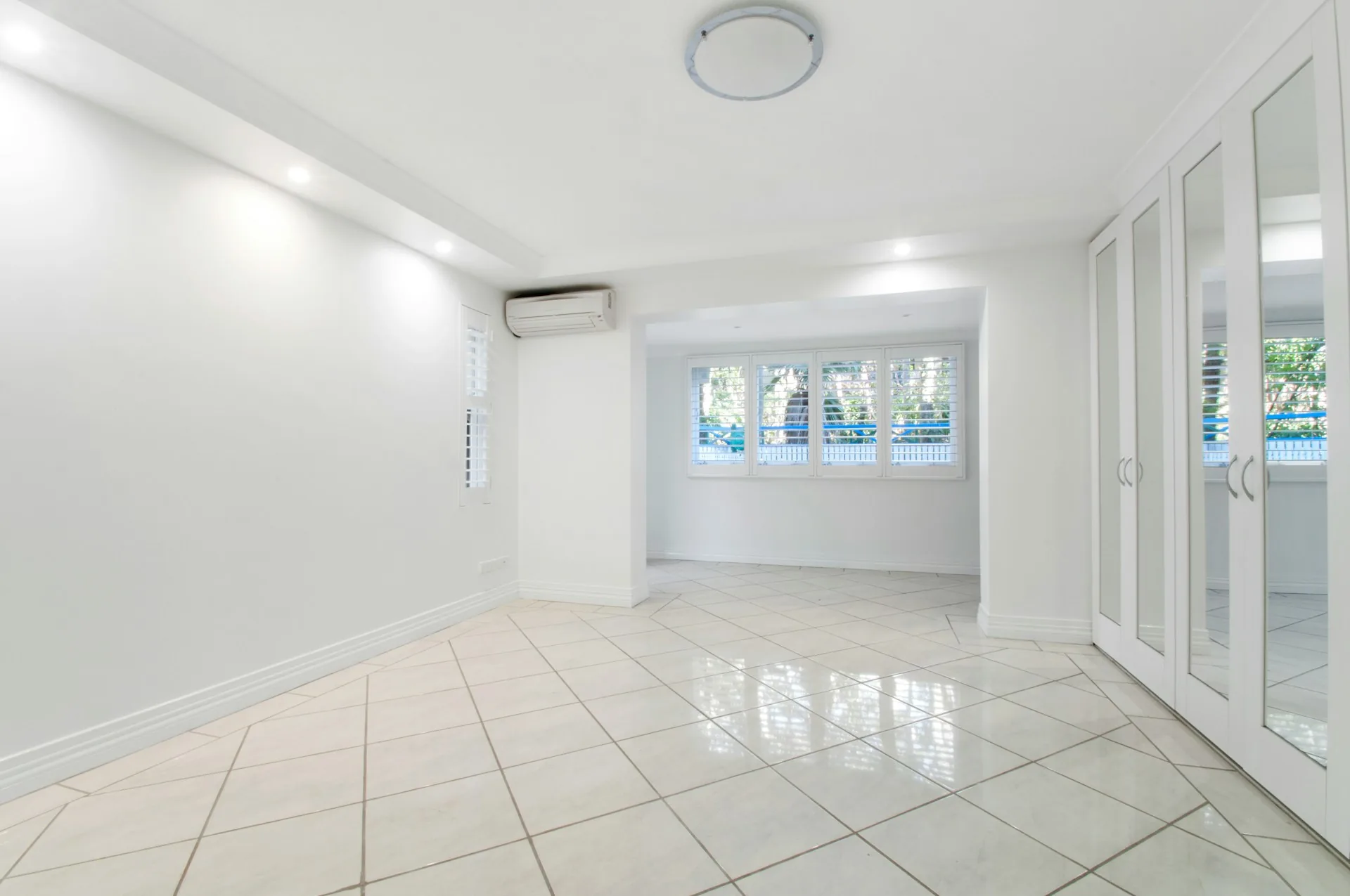
Bright room with a glossy light porcelain tile floor
03Slip rating · grout · assembly

Tile flooring

A grounded choice for hardworking rooms. Porcelain and ceramic bring a wide range of formats and finishes. The right tile floor is a complete assembly, not just an attractive surface.

Where to start: Kitchens, entries, bathrooms and other rooms where the tile, slip rating and floor assembly suit the intended use.

  • Choose a floor-rated product
  • Format changes the preparation
  • Wet areas need more than tile
  • Care for tile and grout
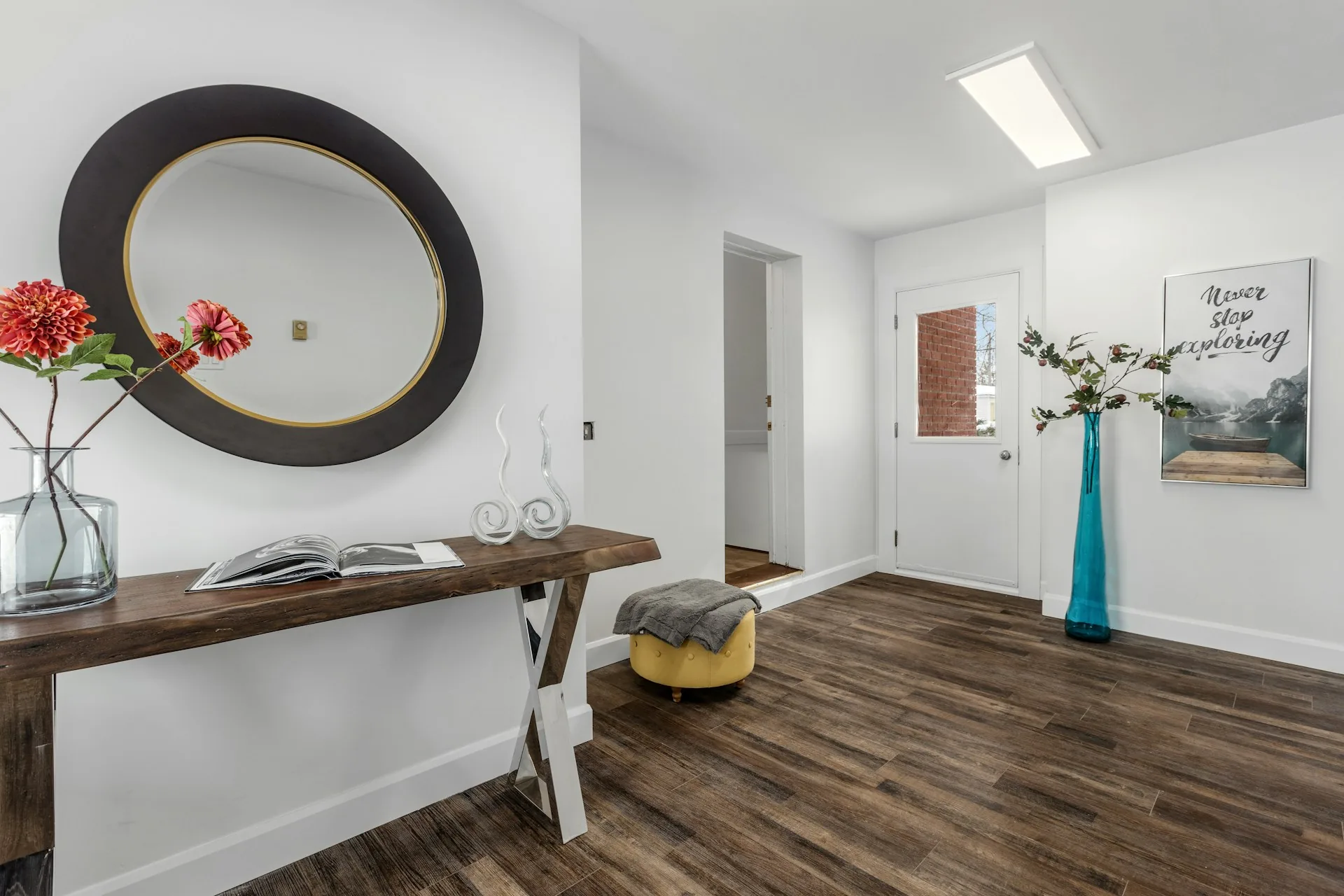
Hallway with a wood-look plank floor and a console table
04Edges · moisture limits · underlayment

Laminate

A considered alternative to the wood look. Compare the feel, edge detail and product limitations—not just the printed grain. Laminate can be a useful option when the room and care routine are a match.

Where to start: Dry bedrooms and living areas; kitchens or other splash-prone rooms only where the specific product expressly allows them.

  • Check product-specific water limits
  • Look at wear and sound together
  • Leave room for movement
  • Keep care simple and appropriate
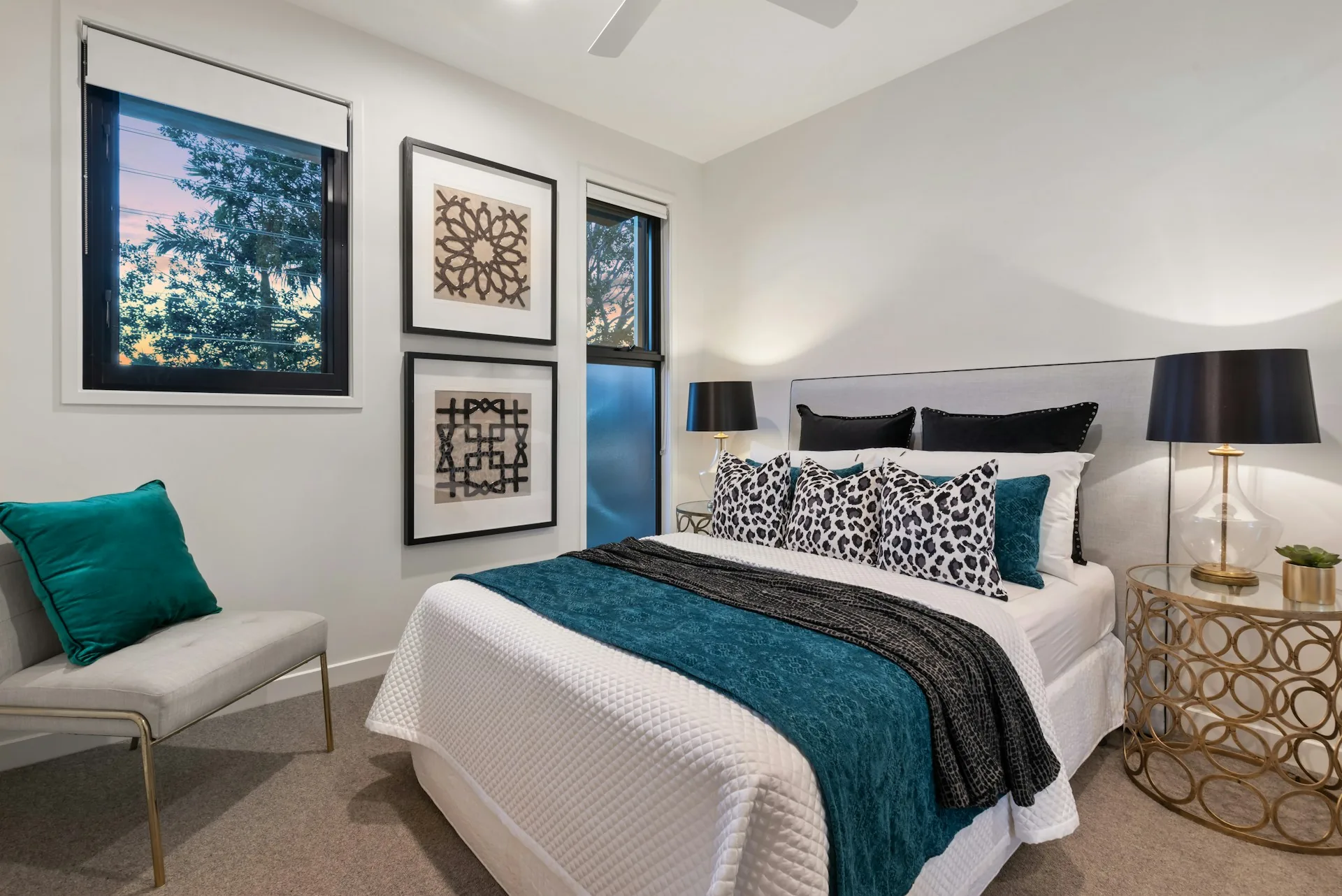
Bright bedroom with soft neutral carpet
05Fiber · cushion · cleaning

Carpet

A softer place to start and end the day. Comfort is personal. Compare fiber, construction and cushion alongside the way the room is used and cleaned.

Where to start: Dry bedrooms, living spaces and selected stairs or light-commercial spaces with appropriately rated products.

  • Fiber and construction matter
  • Cushion is not an afterthought
  • Plan seams, doors and stairs
  • Keep moisture out of the plan
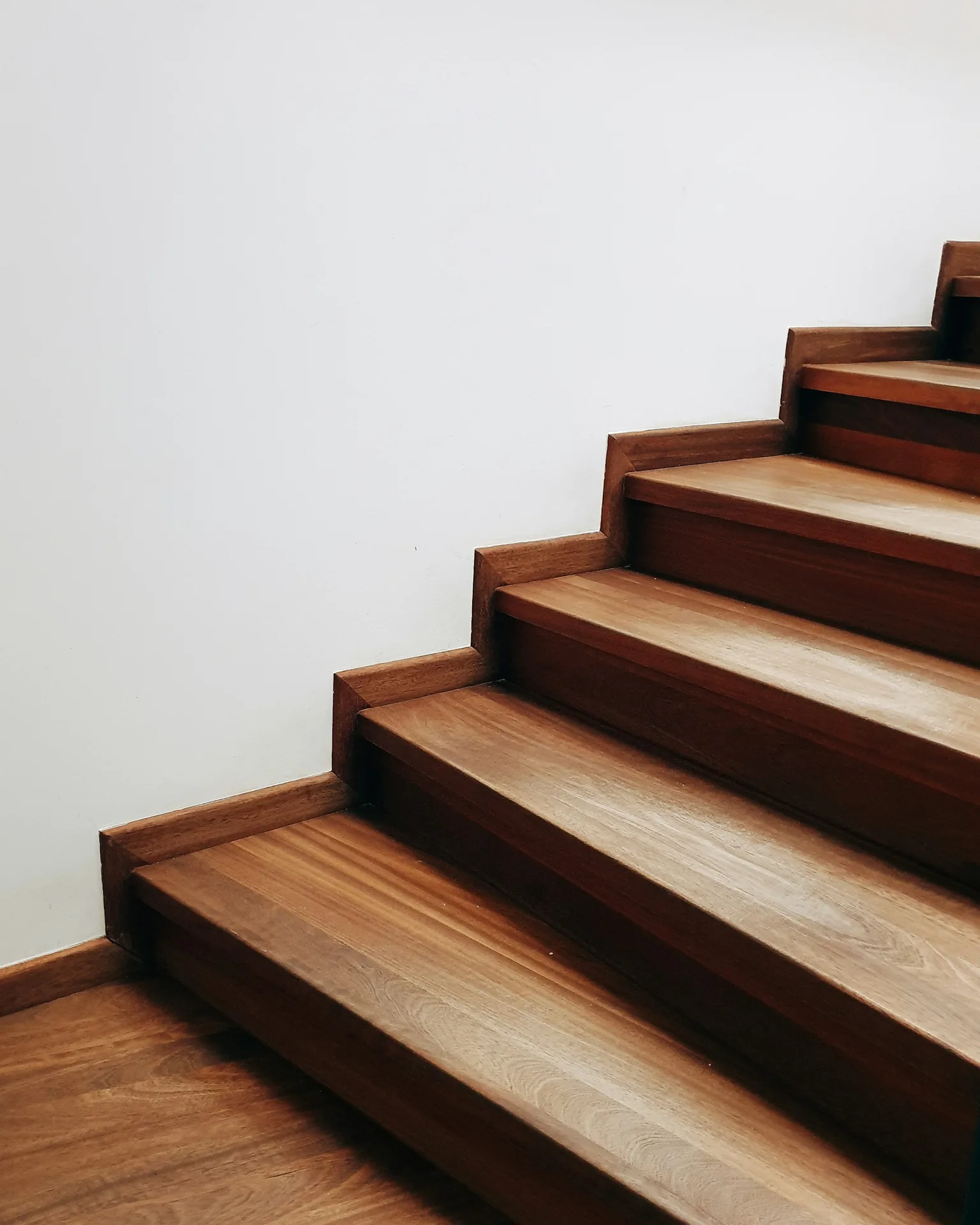
Wood stair treads rising along a white wall
06Nosings · thresholds · heights

Stairs & transitions

The small connections make the whole floor. Doorways, stair edges and changes in height deserve their own plan. They connect materials, protect edges and influence everyday movement.

Where to start: Stair finish discussions, thresholds, doorways and connections between existing and new floors.

  • Measure each connection
  • Choose compatible details
  • Keep movement and safety in view
  • List every finish item
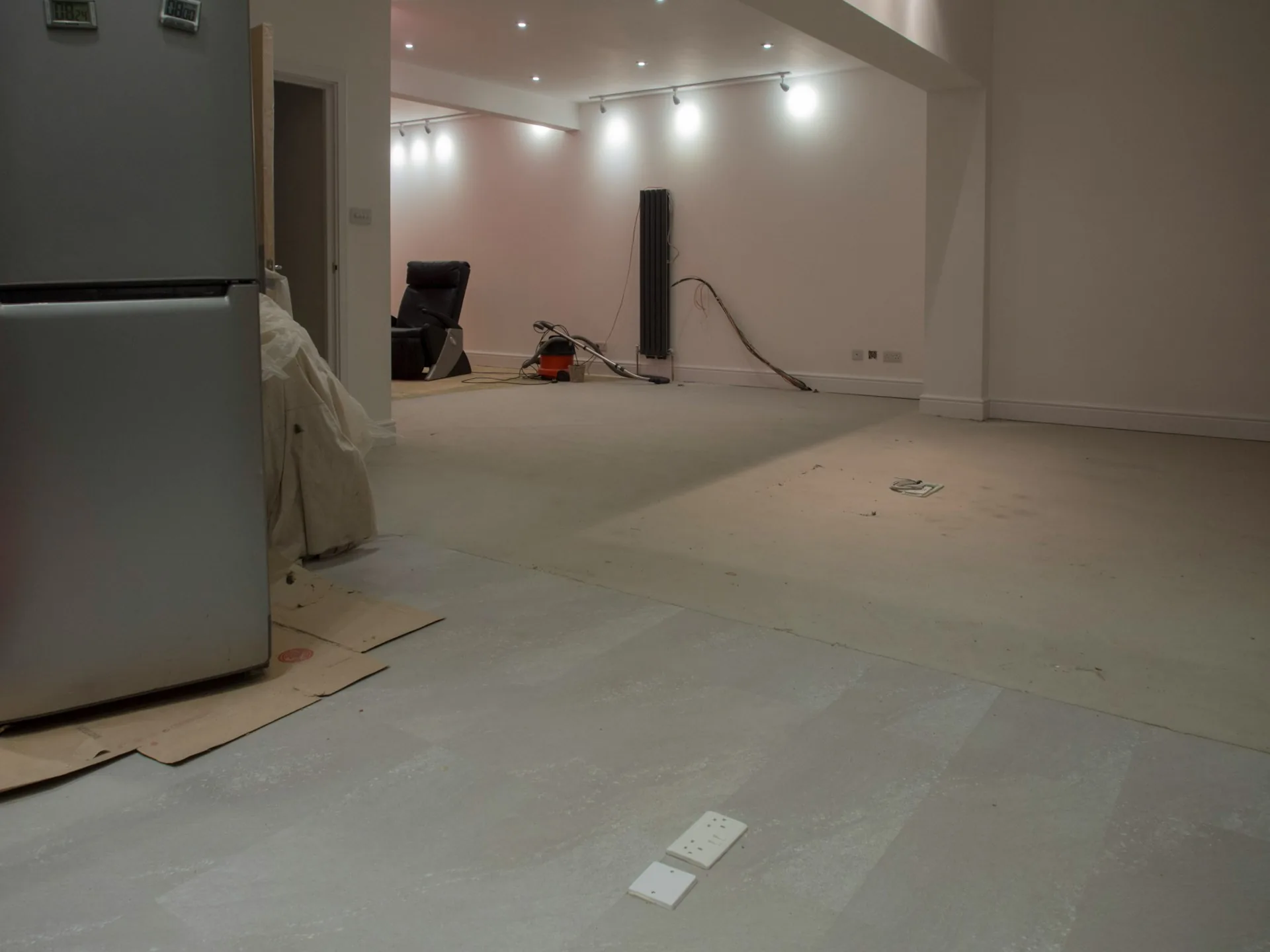
Room under renovation with the floor protected before new flooring
07Flatness · moisture · allowances

Subfloor preparation

Start with what the eye won’t see. A flooring surface depends on the substrate beneath it. Preparation requirements should be identified before installation and included in the scope.

Where to start: Floor replacement and new installation where substrate condition, flatness or product compatibility needs review.

  • Understand the existing floor
  • Separate flatness from level
  • Treat moisture as a decision point
  • Write down allowances and discoveries
Before you approve the scope

Everything named. Nothing assumed.

Availability, pricing and scheduling are confirmed for your project, not promised by a web page. These are the items worth seeing in writing.

Material

Exact product, quantities, waste allowance, procurement and delivery responsibility.

Existing conditions

Removal, disposal, adhesive residue, moisture assessment and preparation.

Installation

Layout, method, underlayment, movement allowance and room access.

Details

Furniture, appliances, baseboards, trim, doors, stairs and transitions.

Looking for specialty floor coatings?

Garage and specialty coatings are a separate conversation.

Visit Coat & Seal and confirm their scope, availability and contracting arrangements directly. A referral is not a combined contract or guarantee.

Visit Coat & Seal

Bring the room into the conversation.

Share your ZIP, the rooms involved, the existing floor and an approximate area. “Not sure yet” is a useful starting point.

Prepare a project brief